Tag: travel

  • The Enigmatic Black Leaper: A Tale of Freedom and Myth

    The Enigmatic Black Leaper: A Tale of Freedom and Myth

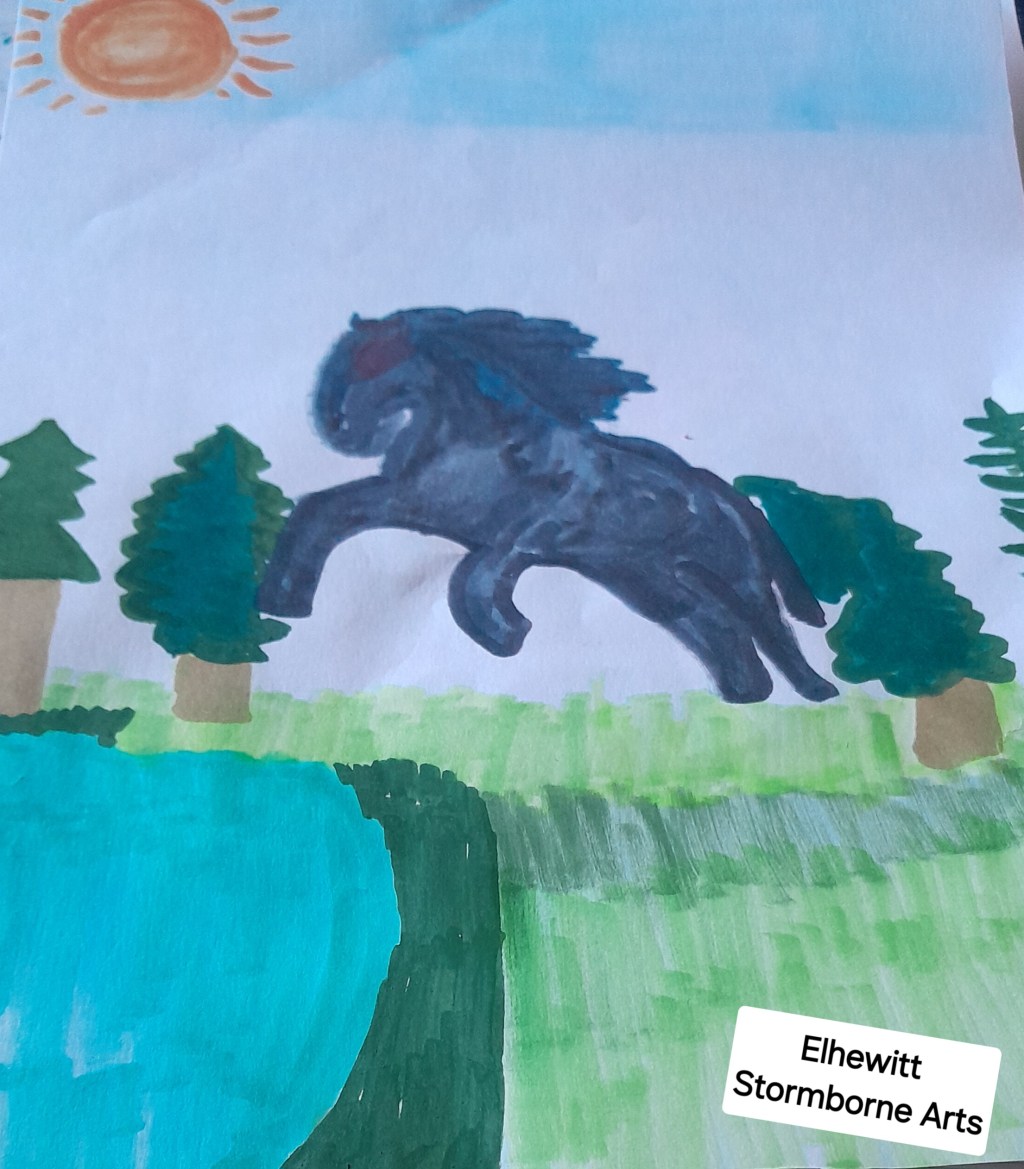
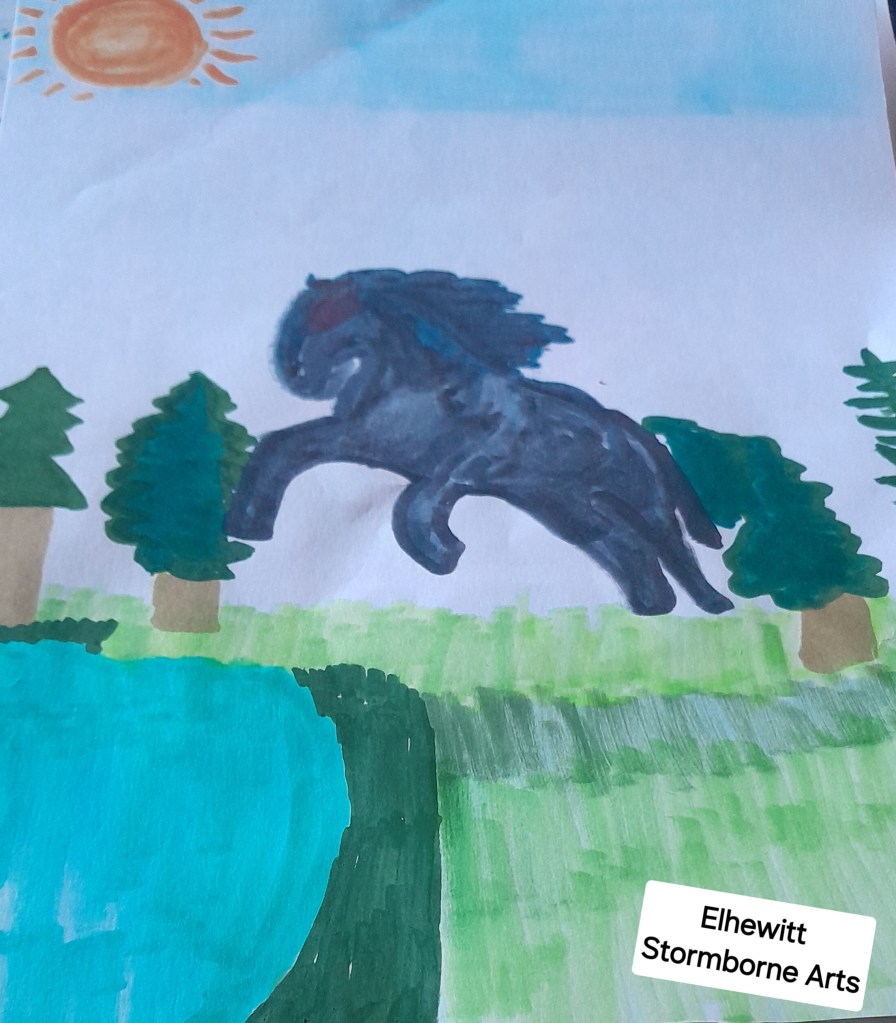
    A dramatic illustration of the Black Leaper, a mythical black horse, leaping above a tranquil lake surrounded by green trees, with a sun shining in the sky above.
    The Black Leaper soaring over the serene lakes of Chistlyn, embodying the spirit of freedom and magic.

    They say that if you stand by the lakes of the Chistlyn at sunrise. Before the mist has fully lifted, before the birds dare to break the quiet you hear it.

    A single, heavy exhale.
    Like the world itself taking a breath.

    From the tree line emerges the Black Leaper. A spirit-steed older than the villages around Cannock Chase, older than the Forest Kings, older even than the Stormborne line.

    Its coat is the colour of midnight after rain, slick and shifting like a storm cloud gathering its strength.

    When it moves, the air warms with the scent of wet grass and pine sap. The ground trembles just enough to remind you that it is real.

    Some say the Leaper was once a war horse belonging to a forgotten chieftain.

    A beast so fiercely loyal that it refused to pass on when its master fell. Others whisper that it is no creature of this world at all. But a guardian born from the lake’s deepest waters, shaped from moonlight, fog, and old magic.

    Whatever the truth, one thing is certain:
    the Black Leaper does not walk. It flies.

    Witnesses speak of the thunder of hooves striking the earth for only a heartbeat. Before the creature rises, soaring over lakes and treetops in a single, impossible leap.

    Many who see it feel a sudden pull in their chest . As if the horse carries every unspoken longing for freedom with it.

    This artwork captures the creature in that moment between worlds.
    When the sun glows warm on its back, the wind twists its mane into wild ribbons. The forest watches in held breath as the guardian crosses the sky.

    Some believe the Leaper appears only to those who feel trapped or lost.
    Others say it is a sign of protection, a reminder that the path ahead is wider than it seems.

    Authors Note : Chistlyn is the Anglo Saxon name for what is now known as Cheslyn Hay.

    For the artists or those interested. The drawing was drawn using Ohuhu Markers on A4 plain paper.

    I wonder if the Black Leaper passed you by, what would it be urging you to run toward. Or away from?

    Thank you for reading, if you have enjoyed this story or like the illustrations. Please support me by liking and follow.

    Further stories can be found at

    Chronicles of Draven

    The Chronicles of Drax

    Unlocking Ancient Powers: Lore Stormborne’s Awakening

    Join the Adventure in Tales of Rayne’s Universe

    The Prophecies and Tales of Taranis Unfolded

    You can find more art on
    Stormborne Arts

  • Did Bronze Age People Know About Ley Lines?

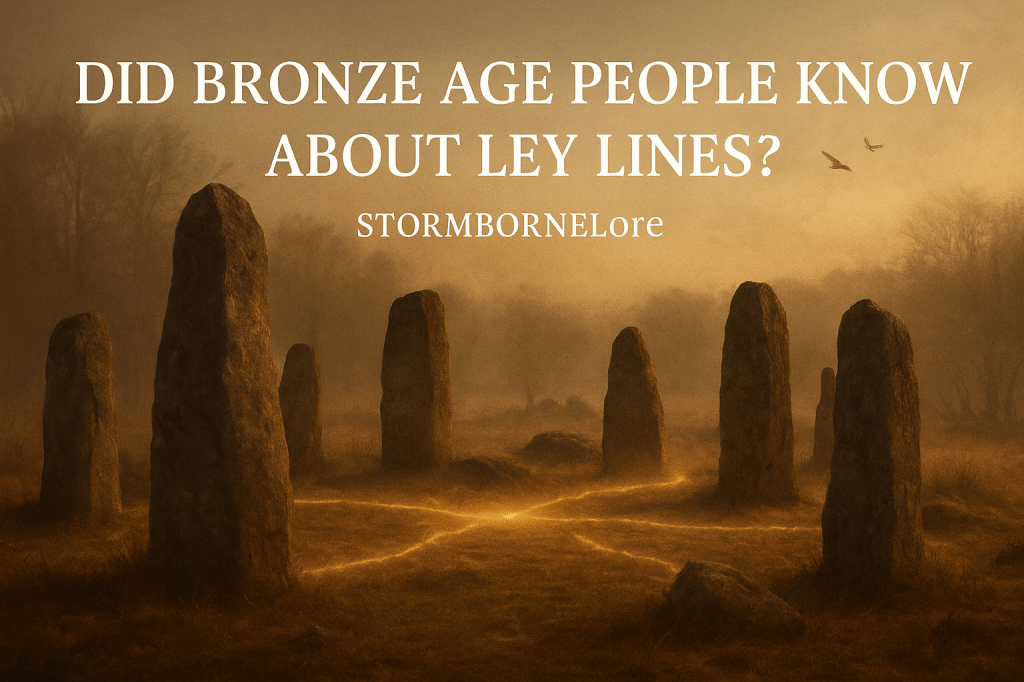
    Did Bronze Age People Know About Ley Lines?


    Spoiler: Not by name but they felt the land’s power.

    They didn’t call them ley lines.
    They didn’t mark them with ink.
    But the builders of cairns and stone paths walked in tune with something deep a rhythm etched in earth and sky.

    Across prehistoric Britain, ancient people aligned their lives and deaths with natural forces that modern names can only echo.

    🧭 What Are Ley Lines?
    Today, ley lines are understood as invisible paths said to connect places of ancient or spiritual importance a kind of unseen network crossing the landscape.

    The idea gained attention in the 1920s when Alfred Watkins, a British thinker and historian, observed that many old sites from standing stones and burial mounds to chapels and crossroads seemed to fall into long, straight lines on the map.

    Though his view was practical at first, later generations embraced the mystical side. The idea of earth energy flowing beneath our feet became a key part of modern folklore, spiritual healing, and even fiction.

    🔥 Did Bronze Age People Believe in Them?
    They had no word for “ley lines.”
    But they knew how to read the land.

    Stone Circles & Sunlines
    Sites like Stonehenge were built with exact alignments to solstices, star paths, and natural landmarks. These weren’t accidents they were maps carved in stone.

    Sacred Roads
    Ceremonial trackways like the raised Avenue near Stonehenge weren’t for trade. They were used in rituals, processions, or seasonal gatherings.

    High Cairns & Burial Sites
    Ancient barrows were often placed on ridges visible for miles, suggesting a belief in sightlines and spiritual pathways.

    Mystic Memory
    Many later myths from Celtic and Welsh traditions speak of dragon roads, fairy paths, and spirit lines echoes of older beliefs in a world shaped by invisible forces.

    🌌 In StormborneLore…

    House Ignis draws from the fire-veins beneath the Malvern Hills

    House Umbra guards the shadows where old stones hum

    House Tempestas rides the storm-lines through the Marches

    House Terra roots into the deep stones of the north

    House Lumen awakens where sun and soul meet

    And in the centre Emberhelm, where all lines converge, and prophecy stirs the stones.

    🐉 So… Did They Know?
    Not in words.
    But in ritual, in rhythm, and in the way their bones followed the wind, the ancient people of Britain lived by the lines long before we gave them a name.

    And perhaps, deep under our modern roads and ruins…
    the lines are still there, waiting.

    A wooden sign featuring a colorful hand-painted design with a bright sun, blue sky, and green field. The text reads: 'Thank you for reading. Please like & subscribe. https://www.stormbornelore.co.uk' in various colors.
    A colorful illustration encouraging readers to engage with StormborneLore’s content, featuring a sunny sky and grassy background.

  • Good Afternoon, God eftermiddag, Prynhawn Da, Buenas tardes, Guten Tag, Добрый день (Author note)

    Good Afternoon, God eftermiddag, Prynhawn Da, Buenas tardes, Guten Tag, Добрый день (Author note)


    Thank you to everyone who took the time to read yesterday’s Authors Note.

    just a warning : This is NOT EDITED in anyway so there will be spelling mistakes and grammar issues., structure issues.

    Why am I doing this?

    The reason I’m saying hello in English. German, Russian, Spanish, Swedish and Welsh (I do apologise if I’ve spelt or wrote anything wrong)

    The reason for it is those are the top countries in my stats for viewing my site.

    THANK YOU

    Thank you and USA youre number one. Thank you, and last night’s authors note had more likes than any other piece.

    AI and Me

    Well I’ve tried AI and still think even with all the errors. My writings probably better, than ai even though I use it to Polish my work it feels wrong.

    Less human! Less capable of putting in what it takes to make the reader feel. SO after talking to my child who is a one of the biggest book nerds I’ve know. Someone who states don’t use AI they steal from other writers.

    They are right but my stories are mine and double checked even triple checked not just through grammarly. But I also paste anything that I’m suspicious of direct into search engines manually check. If something worth doing it’s worth doing right !

    The Plan Today

    What’s on the plan today is easy 4 pieces.

    This authors note

    1 story – Three houses of Caernath part 7

    1 poem – based on the eternal lords

    1 article

    1 recipe. Inspired by the bronze age

    Where is my world based?

    Someone asked me where are my stories / world based?

    Worcestershire.

    The House of Flame – Ignis.

    Infact Emberhelm is based on the Malvern Hills and surrounding areas. Where I walked every weekend as a child and teen. An area stepped in history and folklore from Roman Britain to today.

    Shropshire, Welsh marches and Staffordshire

    The houses of Lore and Drax

    Tempestas (house of storm) and Umbria (the house of shadow)

    While Drax guards the marches with his armies of tempestas. Lore works his charms throughout his lands of Umbra. Taranis sits in the main house of Ignis. Soon to be joined by two others.

    Again I spent hours walking not just around my village. But Cannock chase and Tettenhall woods, Walsall woods, cannock woods. I listened to historians, folklorists, read books on mythology, folklore, hauntings of the areas.

    Other areas

    I’ve walked Glastonbury Tor. (The hard way even ended up crawling at the top. But worth it and I proved to myself I can achieve the impossible. )

    I’ve walked the long mynd (shropshire)where a village is said to have disappeared. The walks beautiful but not for those with mobility issues.

    I’ve visited Wales (let’s face the truth at one point most of England was welsh). so when I include Welsh it more of a nod to ancestral heritage. My favourite place in Wales is Pembrokeshire.

    Everywhere I go I’m learning not just the history but any folklore people are willing to share.

    Growing up in Staffordshire gave me an opening to learn the Lore. Of not just my village but cannock chase and many other areas.

    I was told “never put rough articles on your blog”. but when you don’t have funds for an editor for your articles where do you go?

    Many indie writers told me once Grammarly but that’s ai isnt it? If anyone has any suggestions please let me know.

    I’m learning and slowly starting to use my own raw writing on this site.

    Have a good day, and to those in war torn areas or going through tough times. blessing and positive thoughts go out to you.

    Please try to stay safe.

    © StormborneLore. Written by Emma for StormborneLore. Not for reproduction. All rights reserved.

     If this spoke to you, please like, share, and subscribe to support our mythic journey.

    I wrote this directly into wordpress so absolutely no editing.

  • The Unsung Heroines of the Welsh Marches: A Historical Perspective

    The Unsung Heroines of the Welsh Marches: A Historical Perspective

    Drax’s Region , StormborneLore

    A colorful drawing depicting a bright blue sky with clouds and a sun, alongside a vibrant green landscape featuring a pond, flowers, and sheep.
    A vibrant child’s drawing depicting a pastoral scene with sheep, flowers, and a pond under a colorful sky.

    Historical Insight Series

    In the shadow of ancient hills and stone-crowned ridges, the Welsh Marches whisper stories long forgotten. Winds race across the Long Mynd.

    Caer Caradoc looms in silent watch. Yet somewhere beneath the earth, fragments of the lives. Once lived by Bronze Age women stay buried in urns, marked in pottery, etched in the soil itself.

    Though no names were written, no songs preserved their deeds in ink. These women shaped the land and its legacy just as surely as their male counterparts.

    In this post, we explore what archaeology reveals about their roles. struggles, and power during a time of shifting tribes, emerging hillforts, and mythic memory.

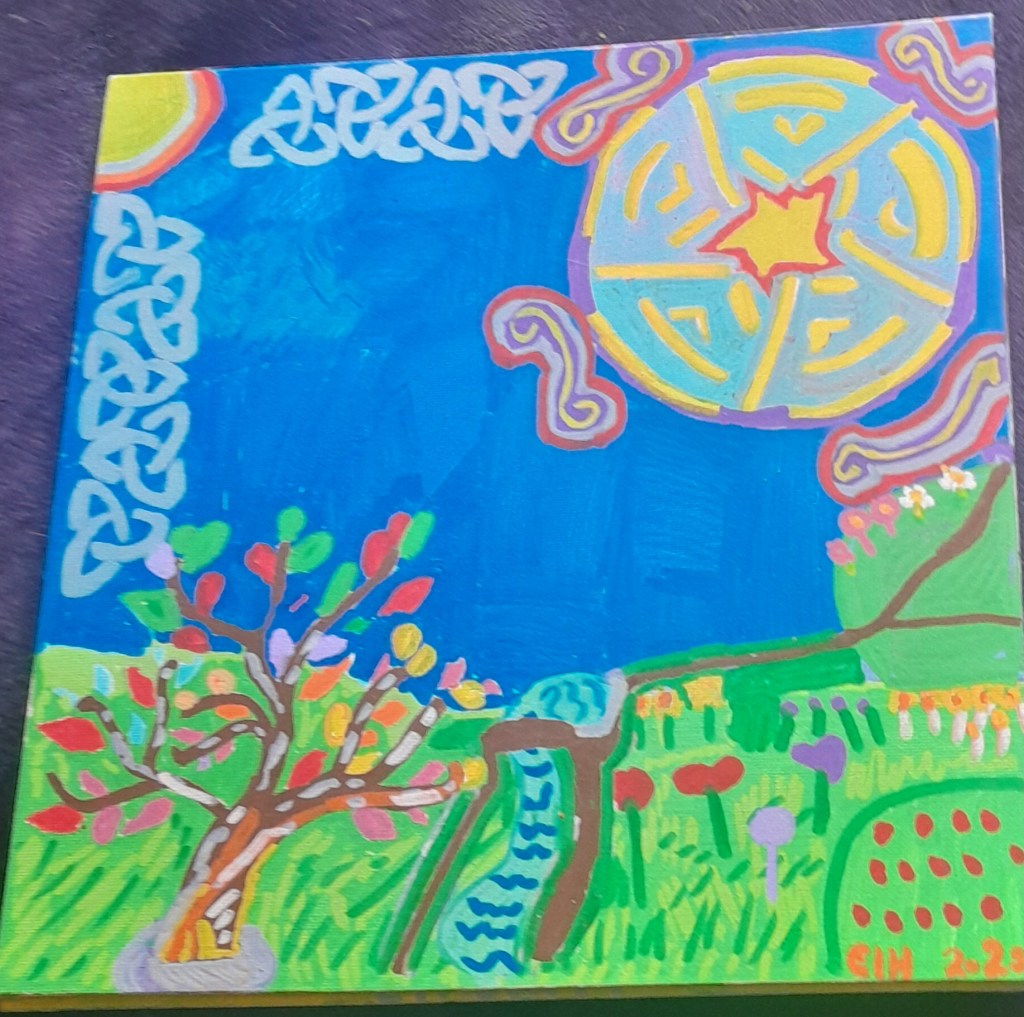
    Colorful abstract painting featuring a celtic knot border, a bright sun, a stylized tree with multicolored leaves, and a vibrant field of flowers.
    A vibrant, colorful painting featuring a tree with colorful leaves. A stylized sun, and a bright blue sky, embodying a connection to nature and artistic expression.

    Life in the Bronze Age Welsh Marches:

    The Female Thread, settlements and Society.


    Sites like Llanilar, Moel y Gaer, and the Breiddin Hillfort give us glimpses of structured settlements roundhouses. Aswell as storage pits, and hearths.

    While many daily activities stay unrecorded, it’s women who managed food preparation, textile production, tool-making, and child-rearing. Their hands shaped the rhythm of Bronze Age life.

    Burial Practices and Reverence.


    At Allt Y Crib and nearby burial cairns. The remains of women have been discovered alongside grave goods beads, pottery, bronze tools.

    These finds suggest women were not merely laborers. But held positions of respect, spiritual or familial leaders whose deaths warranted ritual care.

    Pottery and Cultural Identity.


    Decorated pots, many found in ritual pits and barrows, often bear feminine associations. Women have been central to their crafting, shaping not only vessels, but cultural identity through art, trade, and tradition.

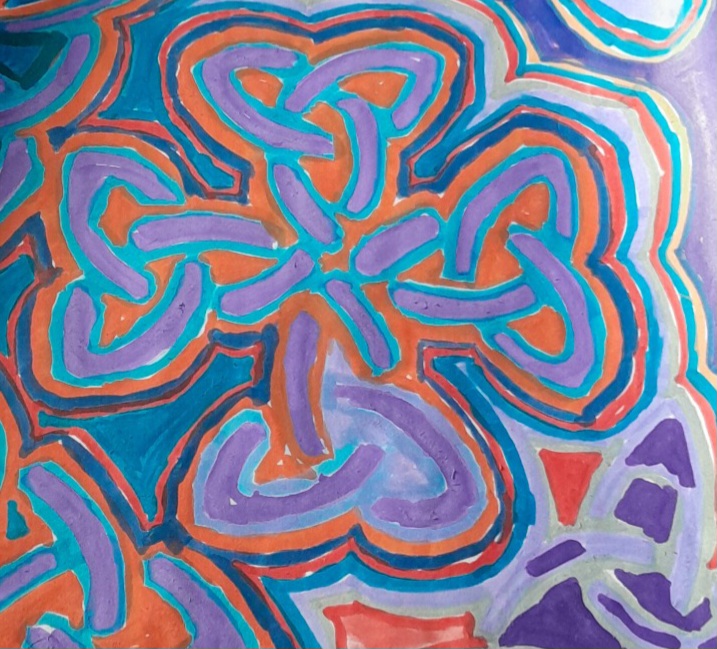
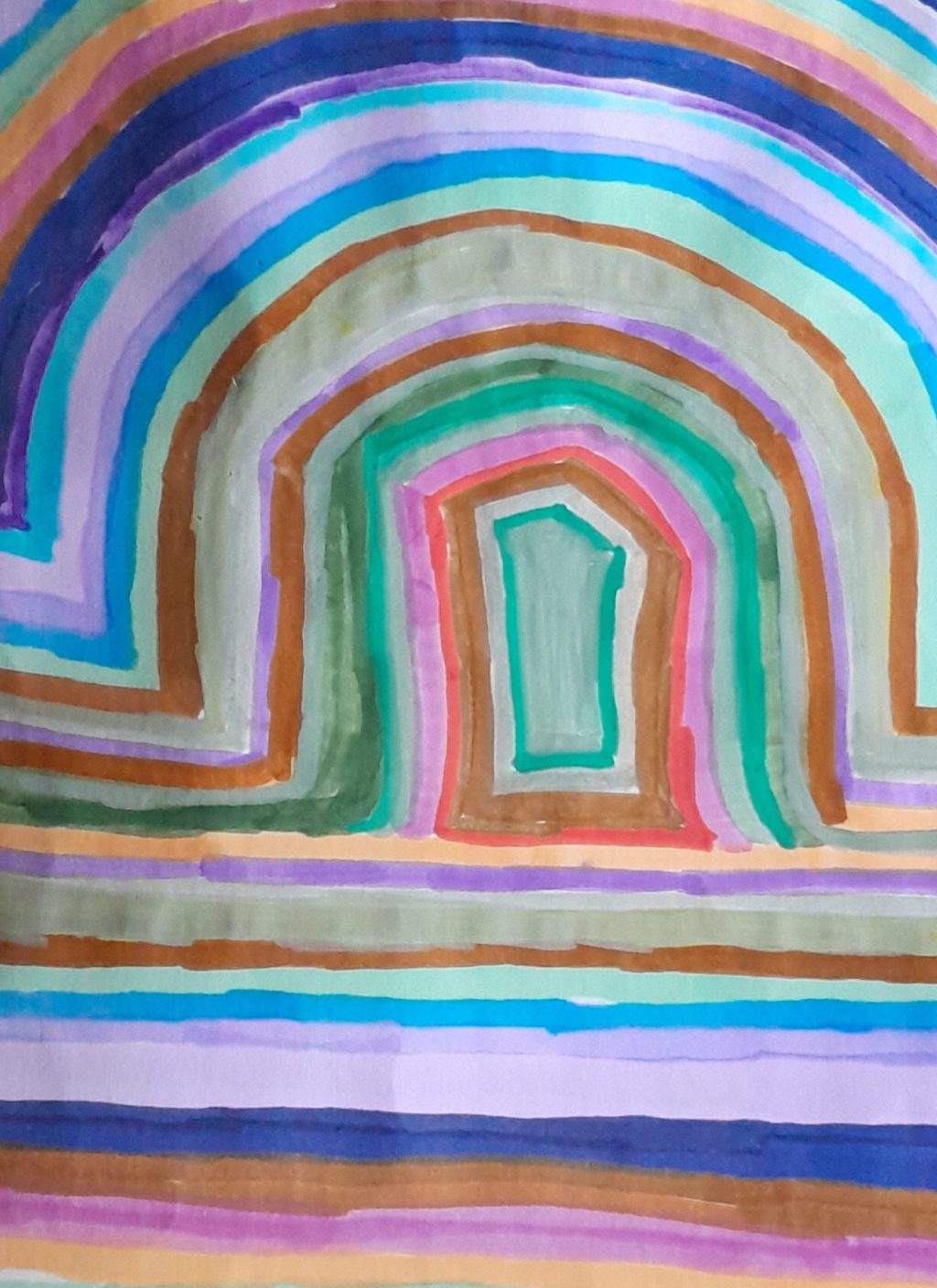
    Celtic knots, landscape abstract arts

    Stone Circles and Ritual


    Mysterious sites like Cerrig Duon and Y Garn Goch offer insight into ceremonial life. While we can’t say definitively that women led rituals. Their burial proximity and symbolic items hint at possible priestess roles guardians of knowledge, seasons, and ancestral memory.

    Subsistence and Survival

    The Grinding stones, charred grains, and animal remains suggest women were active in agriculture, foraging, and preservation. They ensured continuity passing down wisdom in planting cycles, herbal lore, and the ways of fire and feast.

    Silent Influence, Lasting Echo


    Though no written records survive from the Bronze Age, the archaeology of the Welsh Marches speaks in its own language. Women’s influence is woven into every excavated hearth, every grave good, every pottery shard.

    They were not background figures they were central to survival, culture, and possibly leadership.

    Whether as midwives, weavers, warriors, or spiritual guides. The women of the Welsh Marches helped forge the legacy of the land Drax now calls home in StormborneLore.

    Thank you for reading.© 2025 Emma Hewitt / StormborneLore. All rights reserved.Unauthorized copying or reproduction of this content is prohibited.

    If you enjoyed this story, like, share, or leave a comment. Your support keeps the storm alive and the chronicles continuing.

  • Nettle & Hazelnut Soup.

    Nettle & Hazelnut Soup.

    A StormborneLore Recipe.


    Served after illness, childbirth, or exhaustion when the spirit needed warmth.

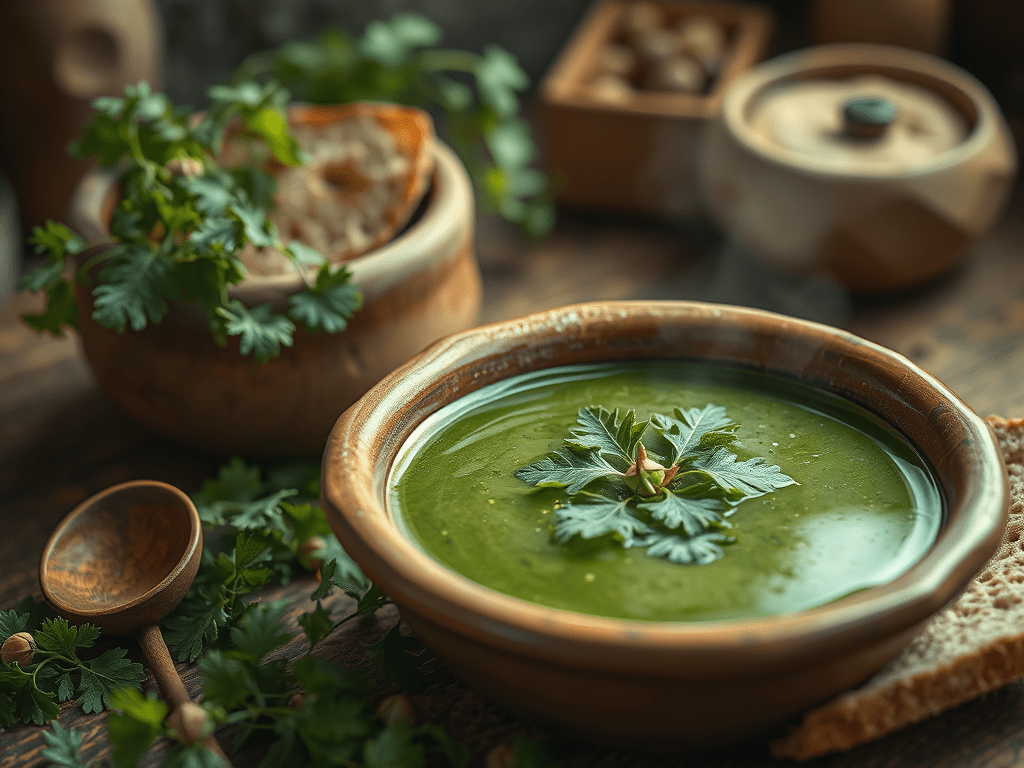
    A bowl of vibrant green soup garnished with fresh herbs and whole hazelnuts, presented on a textured surface.
    A nourishing bowl of nettle and hazelnut soup, symbolizing healing and warmth.
    Text on a deep red background that reads 'Historical Context' in large, prominent font.


    Nettles have been used since the Stone Age for medicine and food. High in iron and vitamins, they were one of the first wild greens to appear after winter. Hazelnuts, foraged in autumn and stored carefully, added fat and flavour. Together, they formed a healing brew simple, sacred, and powerful.

    This soup was often made by elders or midwives and shared with the tribe’s wounded or recovering members. In StormborneLore, it’s the first meal given to a tribe member returning from exile.

    Hazelnuts nestled among fresh green leaves, showcasing the natural ingredients for a nourishing soup.
    A close-up of crushed hazelnuts surrounded by fresh nettle leaves, essential ingredients for a traditional healing soup.

    🧾 Ingredients (Modern Adaptation)
    Ingredient Qty Est. Cost (UK)
    Fresh nettle leaves (or spinach) 100g £0.00–£1.00 (free if foraged)
    Hazelnuts (crushed or ground) 50g £0.50–£1.00
    Onion (or wild leek) ½ small £0.10
    Water or light stock 500ml ~£0.10
    Salt (optional) to taste <£0.05
    Oil or fat (optional) 1 tsp £0.05

    Estimated total cost: £0.80 – £2.30
    (Serves 2 — approx. £0.40–£1.15 per bowl)

    A bowl containing fresh green coriander leaves, hazelnuts, and sliced onion on a light background.
    Fresh ingredients for a healing nettle soup, including hazelnuts, onion, and green herbs.

    Text on a black background reading 'METHOD (STONE AGE + MODERN)' in golden letters.

    Boil water with foraged nettles, leeks, and crushed hazelnuts in a clay pot over fire.

    Stir with a carved stick until it thickens.

    Serve hot with flatbread or root mash.

    Modern method:

    Wash nettles (use gloves!) or spinach.

    Sauté onion in oil until soft.

    Add water/stock, nettles, and crushed hazelnuts.

    Simmer 10–15 minutes. Blend for smoothness or serve rustic.

    Season lightly. Optional: add oat milk or cream for richness.

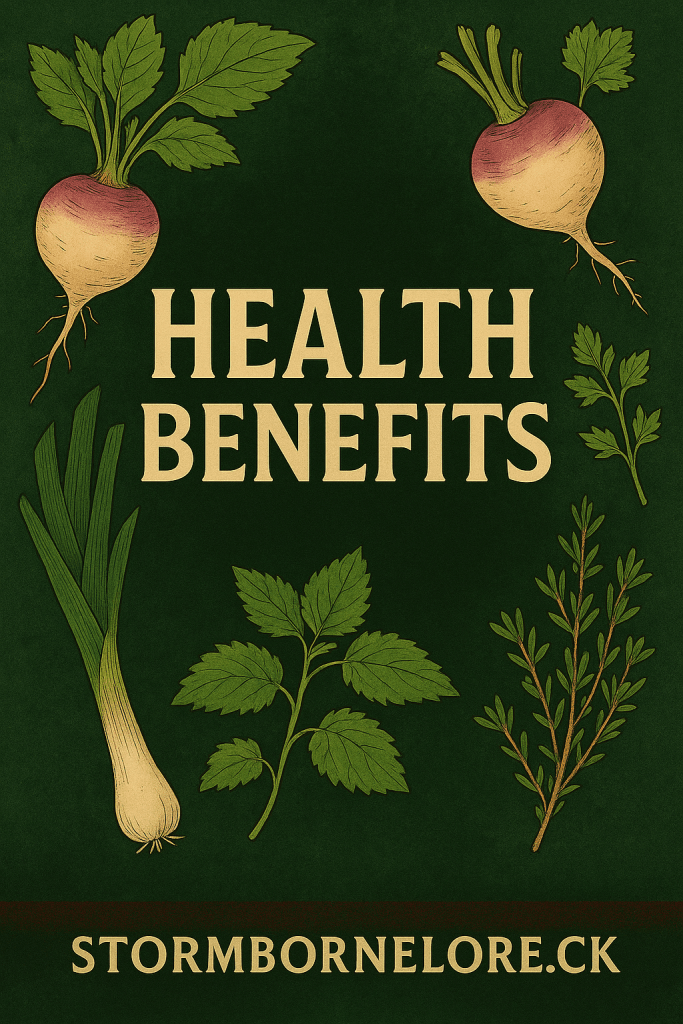
    Illustration featuring various vegetables and herbs, labeled 'HEALTH BENEFITS', with a dark green background and a decorative border.


    Nettles: Iron-rich, anti-inflammatory, supports immunity

    Hazelnuts: Healthy fats and protein

    Onion/leek: Supports digestion and circulation

    An ornate background with the word 'Substitutions' written in a decorative gothic font, surrounded by green vine motifs.


    Nettles → spinach, kale, or wild garlic

    Hazelnuts → almonds or sunflower seeds

    Optional: add a dash of nutmeg or thyme

    📖 Suggested Story Pairing
    Serve with:
    “The Fire Within the Child” moments of recovery and resilience.


    This is a soup of healing, strength, and memory. One bowl could mark the difference between fading and fighting. One fire-lit meal could carry the spirit through another night.

    © StormborneLore. Recipe written by Emma for StormborneLore. Not for reproduction. All rights reserved.

    A heartfelt thank you from StormborneLore, inviting readers to connect and support the storytelling journey.

    All ingredients are available on Amazon or at Wholefood suppliers or foraging.

    More Recipes at ;

    Solaris’s Kitchen