Tag: spirituality

  • Salt, Survival, and Roman Conquest in Britain

    Salt, Survival, and Roman Conquest in Britain

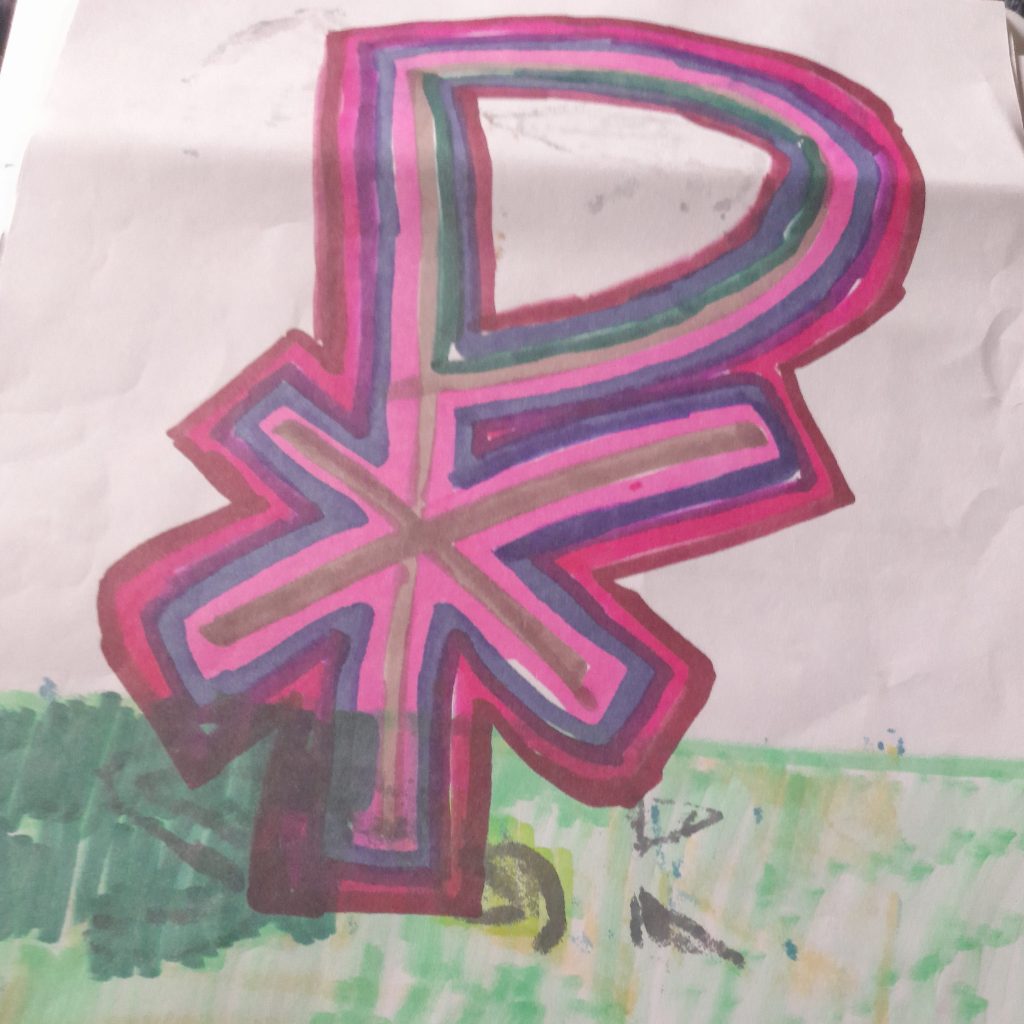
    A colorful hand-drawn illustration of a large symbol resembling a cross, outlined in vibrant colors including pink, purple, and green, set against a green background.

    When the Roman legions marched into Britain in AD 43 under Emperor Claudius, they did not find an empty land. They found a patchwork of proud tribes, each with its own rulers, gods, and customs.

    To the west of Watling Street lay the Cornovii, rooted in Shropshire and Staffordshire. To the south, around the salt-rich lands of Droitwich and Gloucestershire, stood the Dobunni. Both tribes would feel the weight of Rome’s advance.

    Salt and Survival

    Salt was life. It preserved food, healed wounds, and was as valuable as coin. The Romans renamed Droitwich Salinae and placed it under heavy control, taxing the salt trade and guarding it with military force.

    For the Celts, who had long drawn wealth from the brine springs, this was both a theft and an insult. To strike the salt routes was to strike at Rome itself.

    Resistance and Betrayal.

    Not all Britons resisted. Some tribal leaders saw the might of Rome and chose to make an alliance. They took Roman names, built villas, and dressed in the style of their conquerors.

    Others fought tooth and nail, their warriors painted, their gods called upon in the forests and on the hills. This clash between loyalty to tradition and the lure of Roman power split kin and tribe alike betrayal often hurt more than Roman swords.

    Gods of Two Worlds.

    The Romans rarely erased local gods. Instead, they blended them into their own pantheon.

    Taranis, Celtic god of thunder, was aligned with Jupiter, wielder of lightning.

    Sulis, worshipped at Bath, was merged with Minerva, goddess of wisdom.

    Even the war goddess Andraste found echoes in Roman Mars and Bellona.

    For many, this was a mask. Outwardly Roman, inwardly Celtic still. Temples rose with Latin names carved into stone, yet behind closed doors, the old rituals carried on offerings at sacred groves, whispered invocations at standing stones.

    Daily Life Under Rome.

    Markets bustled with pottery, wine, and oil imported from Gaul and Spain. Roman roads cut straight through the land, binding together forts, towns, and villas. Yet step off the road and you might still find Celtic roundhouses, farmers living as their ancestors had, and druids carrying wisdom that defied Rome’s order.

    Legacy.

    Celtic–Roman Britain was not either fully conquered or fully free. It was a place of merging, conflict, and uneasy coexistence. Rome imposed its order, but the spirit of the land the forests, the rivers, the stones still whispered the old names.

    For some, like the warriors of legend, this was a time of rebellion. For others, a time of survival. And for figures like Taranis Stormborne, also known as Storm caught between gods and men, Rome and Celt, it was the crucible that forged myths still told today.

    © 2025 Emma Hewitt. All rights reserved.This story and all characters within the StormborneLore world are the original creation of Emma Hewitt. No part of this publication may be reproduced, distributed, or transmitted in any form or by any means without the prior written permission of the author, except in the case of brief quotations used in reviews or scholarly works.
  • Did Bronze Age People Know About Ley Lines?

    Did Bronze Age People Know About Ley Lines?


    Spoiler: Not by name but they felt the land’s power.

    They didn’t call them ley lines.
    They didn’t mark them with ink.
    But the builders of cairns and stone paths walked in tune with something deep a rhythm etched in earth and sky.

    Across prehistoric Britain, ancient people aligned their lives and deaths with natural forces that modern names can only echo.

    🧭 What Are Ley Lines?
    Today, ley lines are understood as invisible paths said to connect places of ancient or spiritual importance a kind of unseen network crossing the landscape.

    The idea gained attention in the 1920s when Alfred Watkins, a British thinker and historian, observed that many old sites from standing stones and burial mounds to chapels and crossroads seemed to fall into long, straight lines on the map.

    Though his view was practical at first, later generations embraced the mystical side. The idea of earth energy flowing beneath our feet became a key part of modern folklore, spiritual healing, and even fiction.

    🔥 Did Bronze Age People Believe in Them?
    They had no word for “ley lines.”
    But they knew how to read the land.

    Stone Circles & Sunlines
    Sites like Stonehenge were built with exact alignments to solstices, star paths, and natural landmarks. These weren’t accidents they were maps carved in stone.

    Sacred Roads
    Ceremonial trackways like the raised Avenue near Stonehenge weren’t for trade. They were used in rituals, processions, or seasonal gatherings.

    High Cairns & Burial Sites
    Ancient barrows were often placed on ridges visible for miles, suggesting a belief in sightlines and spiritual pathways.

    Mystic Memory
    Many later myths from Celtic and Welsh traditions speak of dragon roads, fairy paths, and spirit lines echoes of older beliefs in a world shaped by invisible forces.

    🌌 In StormborneLore…

    House Ignis draws from the fire-veins beneath the Malvern Hills

    House Umbra guards the shadows where old stones hum

    House Tempestas rides the storm-lines through the Marches

    House Terra roots into the deep stones of the north

    House Lumen awakens where sun and soul meet

    And in the centre Emberhelm, where all lines converge, and prophecy stirs the stones.

    🐉 So… Did They Know?
    Not in words.
    But in ritual, in rhythm, and in the way their bones followed the wind, the ancient people of Britain lived by the lines long before we gave them a name.

    And perhaps, deep under our modern roads and ruins…
    the lines are still there, waiting.

    A wooden sign featuring a colorful hand-painted design with a bright sun, blue sky, and green field. The text reads: 'Thank you for reading. Please like & subscribe. https://www.stormbornelore.co.uk' in various colors.
    A colorful illustration encouraging readers to engage with StormborneLore’s content, featuring a sunny sky and grassy background.

  • The Unsung Heroines of the Welsh Marches: A Historical Perspective

    The Unsung Heroines of the Welsh Marches: A Historical Perspective

    Drax’s Region , StormborneLore

    A colorful drawing depicting a bright blue sky with clouds and a sun, alongside a vibrant green landscape featuring a pond, flowers, and sheep.
    A vibrant child’s drawing depicting a pastoral scene with sheep, flowers, and a pond under a colorful sky.

    Historical Insight Series

    In the shadow of ancient hills and stone-crowned ridges, the Welsh Marches whisper stories long forgotten. Winds race across the Long Mynd.

    Caer Caradoc looms in silent watch. Yet somewhere beneath the earth, fragments of the lives. Once lived by Bronze Age women stay buried in urns, marked in pottery, etched in the soil itself.

    Though no names were written, no songs preserved their deeds in ink. These women shaped the land and its legacy just as surely as their male counterparts.

    In this post, we explore what archaeology reveals about their roles. struggles, and power during a time of shifting tribes, emerging hillforts, and mythic memory.

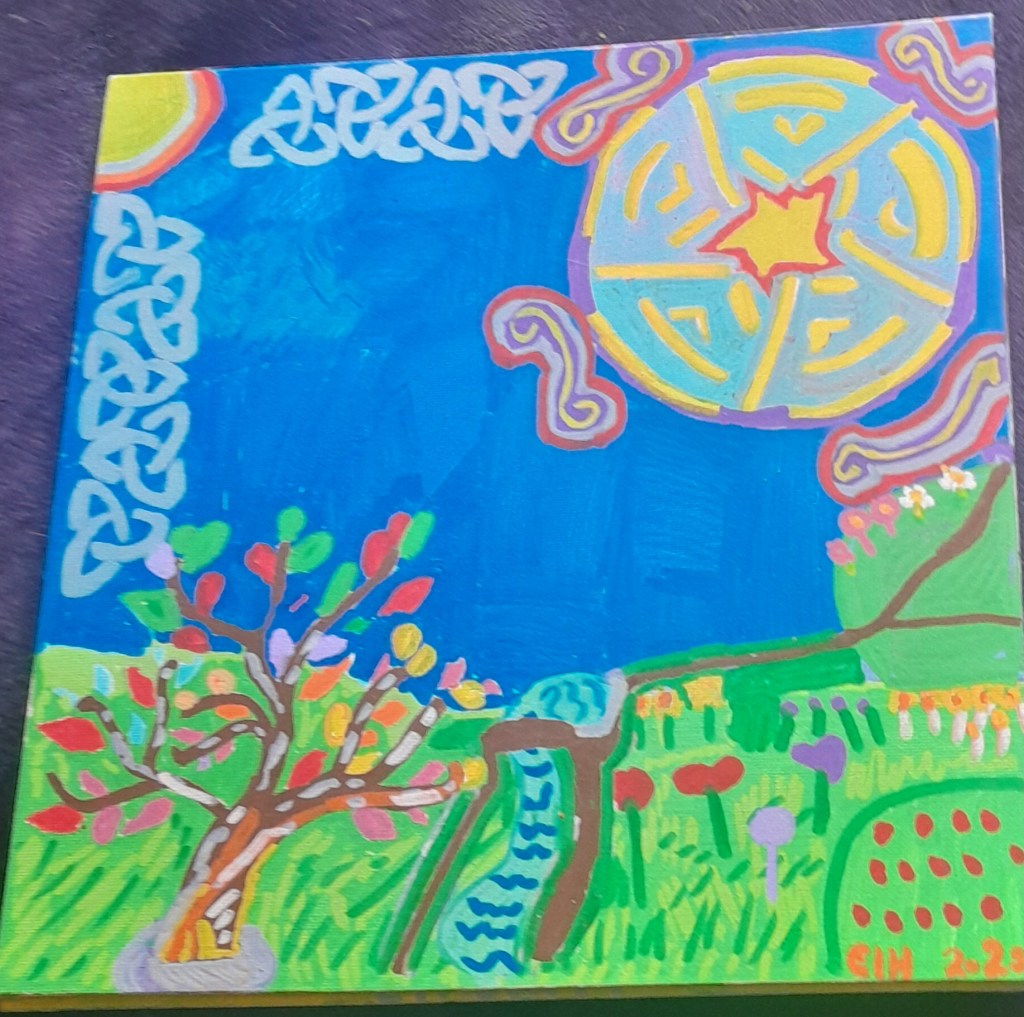
    Colorful abstract painting featuring a celtic knot border, a bright sun, a stylized tree with multicolored leaves, and a vibrant field of flowers.
    A vibrant, colorful painting featuring a tree with colorful leaves. A stylized sun, and a bright blue sky, embodying a connection to nature and artistic expression.

    Life in the Bronze Age Welsh Marches:

    The Female Thread, settlements and Society.


    Sites like Llanilar, Moel y Gaer, and the Breiddin Hillfort give us glimpses of structured settlements roundhouses. Aswell as storage pits, and hearths.

    While many daily activities stay unrecorded, it’s women who managed food preparation, textile production, tool-making, and child-rearing. Their hands shaped the rhythm of Bronze Age life.

    Burial Practices and Reverence.


    At Allt Y Crib and nearby burial cairns. The remains of women have been discovered alongside grave goods beads, pottery, bronze tools.

    These finds suggest women were not merely laborers. But held positions of respect, spiritual or familial leaders whose deaths warranted ritual care.

    Pottery and Cultural Identity.


    Decorated pots, many found in ritual pits and barrows, often bear feminine associations. Women have been central to their crafting, shaping not only vessels, but cultural identity through art, trade, and tradition.

    Celtic knots, landscape abstract arts

    Stone Circles and Ritual


    Mysterious sites like Cerrig Duon and Y Garn Goch offer insight into ceremonial life. While we can’t say definitively that women led rituals. Their burial proximity and symbolic items hint at possible priestess roles guardians of knowledge, seasons, and ancestral memory.

    Subsistence and Survival

    The Grinding stones, charred grains, and animal remains suggest women were active in agriculture, foraging, and preservation. They ensured continuity passing down wisdom in planting cycles, herbal lore, and the ways of fire and feast.

    Silent Influence, Lasting Echo


    Though no written records survive from the Bronze Age, the archaeology of the Welsh Marches speaks in its own language. Women’s influence is woven into every excavated hearth, every grave good, every pottery shard.

    They were not background figures they were central to survival, culture, and possibly leadership.

    Whether as midwives, weavers, warriors, or spiritual guides. The women of the Welsh Marches helped forge the legacy of the land Drax now calls home in StormborneLore.

    Thank you for reading.© 2025 Emma Hewitt / StormborneLore. All rights reserved.Unauthorized copying or reproduction of this content is prohibited.

    If you enjoyed this story, like, share, or leave a comment. Your support keeps the storm alive and the chronicles continuing.