Tag: Cymru

  • The Unsung Heroines of the Welsh Marches: A Historical Perspective

    The Unsung Heroines of the Welsh Marches: A Historical Perspective

    Drax’s Region , StormborneLore

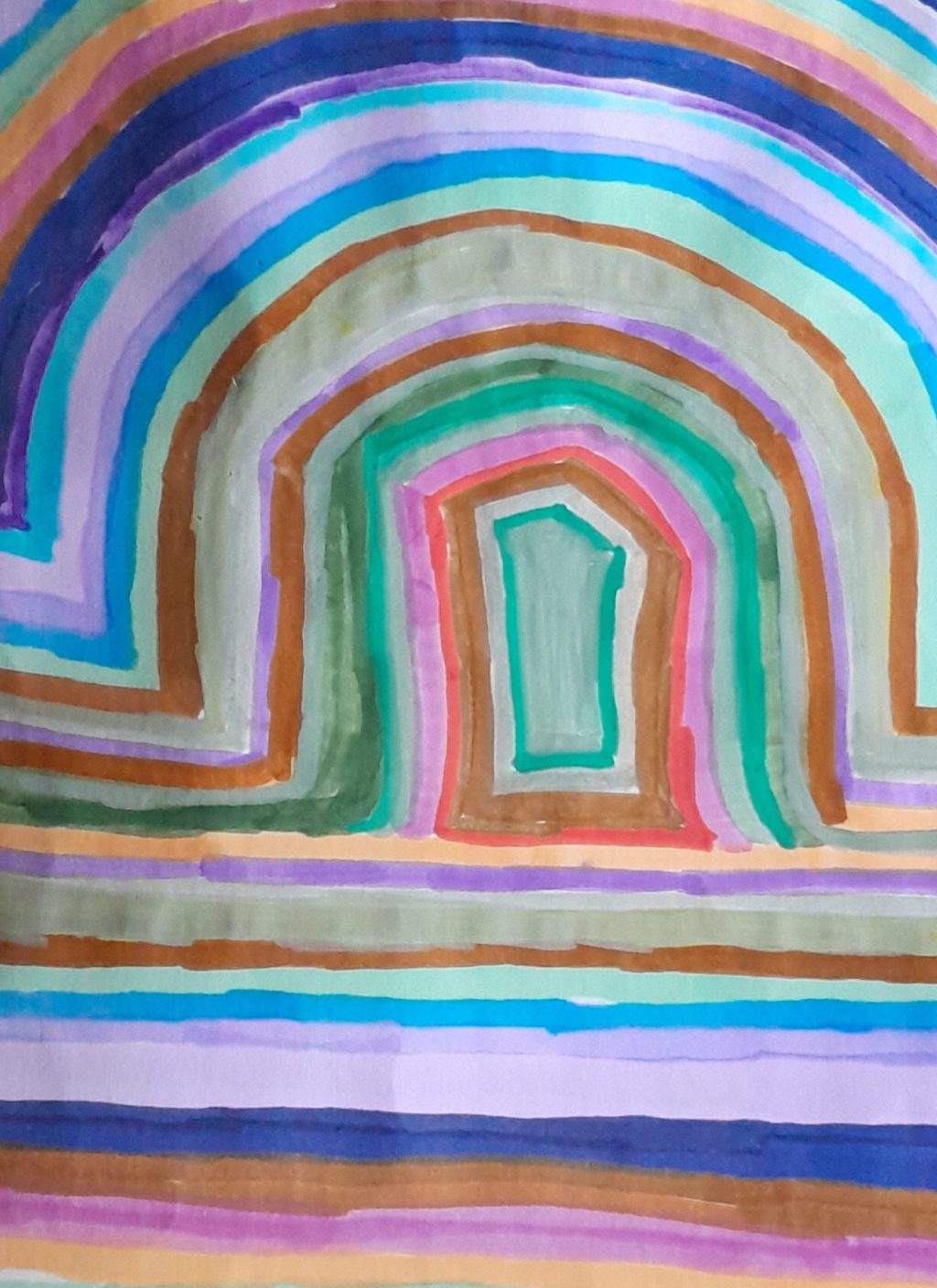
    A colorful drawing depicting a bright blue sky with clouds and a sun, alongside a vibrant green landscape featuring a pond, flowers, and sheep.
    A vibrant child’s drawing depicting a pastoral scene with sheep, flowers, and a pond under a colorful sky.

    Historical Insight Series

    In the shadow of ancient hills and stone-crowned ridges, the Welsh Marches whisper stories long forgotten. Winds race across the Long Mynd.

    Caer Caradoc looms in silent watch. Yet somewhere beneath the earth, fragments of the lives. Once lived by Bronze Age women stay buried in urns, marked in pottery, etched in the soil itself.

    Though no names were written, no songs preserved their deeds in ink. These women shaped the land and its legacy just as surely as their male counterparts.

    In this post, we explore what archaeology reveals about their roles. struggles, and power during a time of shifting tribes, emerging hillforts, and mythic memory.
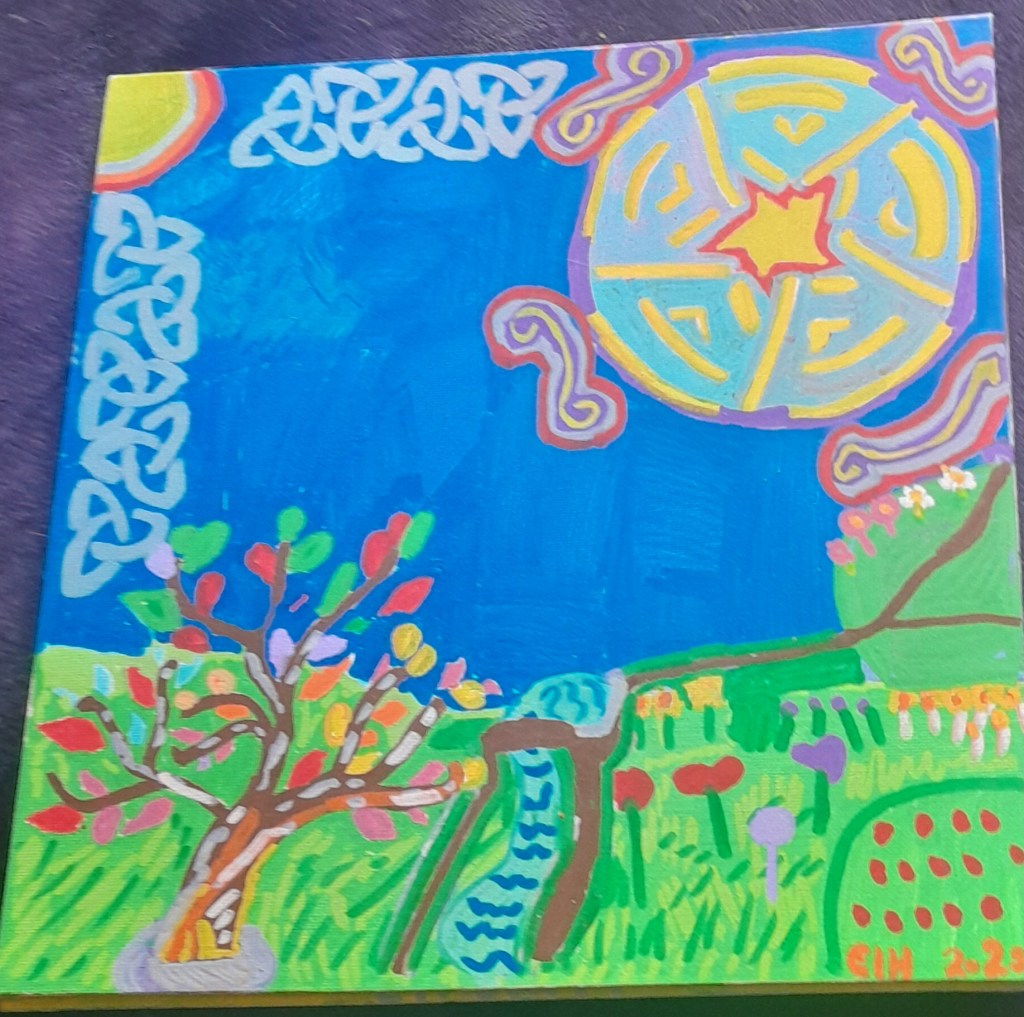
    Colorful abstract painting featuring a celtic knot border, a bright sun, a stylized tree with multicolored leaves, and a vibrant field of flowers.
    A vibrant, colorful painting featuring a tree with colorful leaves. A stylized sun, and a bright blue sky, embodying a connection to nature and artistic expression.

    Life in the Bronze Age Welsh Marches:

    The Female Thread, settlements and Society.


    Sites like Llanilar, Moel y Gaer, and the Breiddin Hillfort give us glimpses of structured settlements roundhouses. Aswell as storage pits, and hearths.

    While many daily activities stay unrecorded, it’s women who managed food preparation, textile production, tool-making, and child-rearing. Their hands shaped the rhythm of Bronze Age life.

    Burial Practices and Reverence.


    At Allt Y Crib and nearby burial cairns. The remains of women have been discovered alongside grave goods beads, pottery, bronze tools.

    These finds suggest women were not merely laborers. But held positions of respect, spiritual or familial leaders whose deaths warranted ritual care.

    Pottery and Cultural Identity.


    Decorated pots, many found in ritual pits and barrows, often bear feminine associations. Women have been central to their crafting, shaping not only vessels, but cultural identity through art, trade, and tradition.
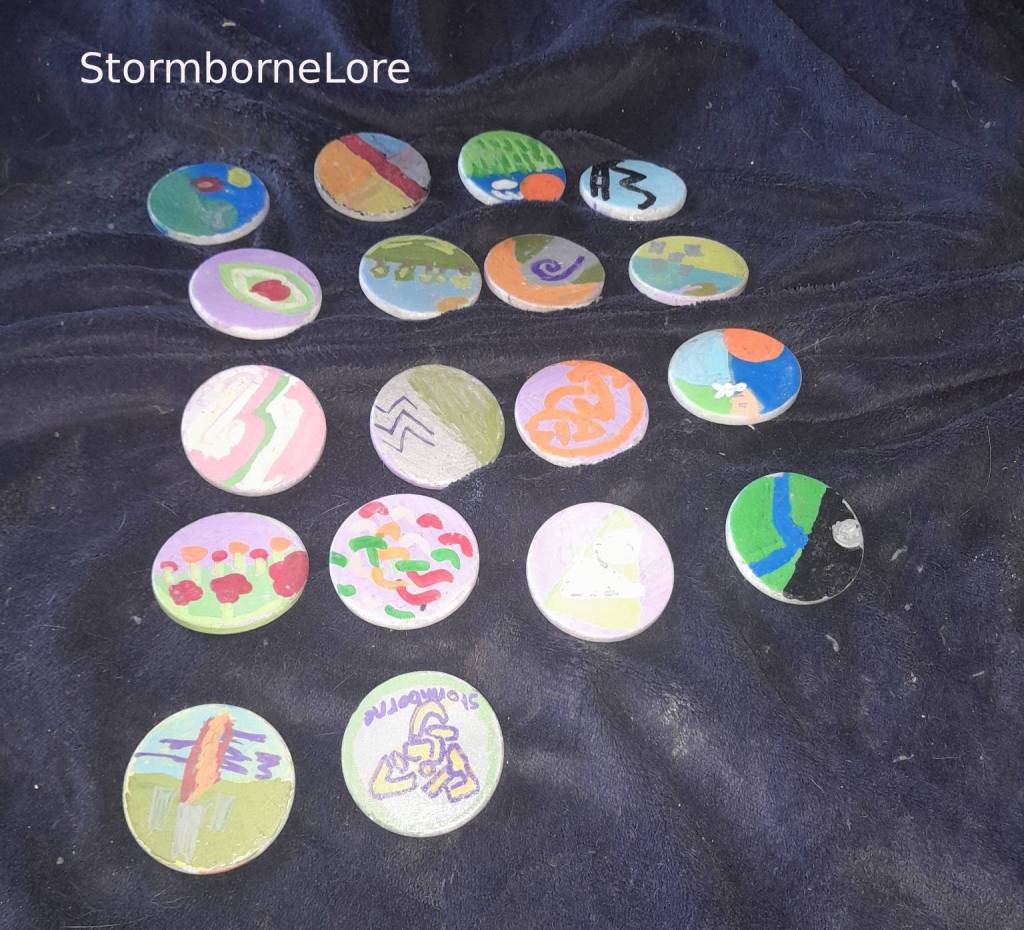
    Celtic knots, landscape abstract arts

    Stone Circles and Ritual


    Mysterious sites like Cerrig Duon and Y Garn Goch offer insight into ceremonial life. While we can’t say definitively that women led rituals. Their burial proximity and symbolic items hint at possible priestess roles guardians of knowledge, seasons, and ancestral memory.

    Subsistence and Survival

    The Grinding stones, charred grains, and animal remains suggest women were active in agriculture, foraging, and preservation. They ensured continuity passing down wisdom in planting cycles, herbal lore, and the ways of fire and feast.

    Silent Influence, Lasting Echo


    Though no written records survive from the Bronze Age, the archaeology of the Welsh Marches speaks in its own language. Women’s influence is woven into every excavated hearth, every grave good, every pottery shard.

    They were not background figures they were central to survival, culture, and possibly leadership.

    Whether as midwives, weavers, warriors, or spiritual guides. The women of the Welsh Marches helped forge the legacy of the land Drax now calls home in StormborneLore.

    Thank you for reading.© 2025 Emma Hewitt / StormborneLore. All rights reserved.Unauthorized copying or reproduction of this content is prohibited.

    If you enjoyed this story, like, share, or leave a comment. Your support keeps the storm alive and the chronicles continuing.

  • The Founders’ Feast: A Bronze Age Tribute

    The Founders’ Feast: A Bronze Age Tribute

    The Rise of Emberhelm.

    The wind still smelled of blood and ash.

    Taranis stood on the ridge, his cloak torn by the storm, his hair streaked with soot. Below, the valley rippled with new life: tents being stitched, stones lifted, timber lashed. The war was over but the next battle had begun.

    “We build not just for defence,” Lore said, tracing runes into the soil, “but for memory.”

    The three surviving brothers had gathered their remnants warriors, widows, strays, and seers. They chose high ground, surrounded by forest and stone.

    Drax named it Emberhelm, for the fire that had not died. It would become the first Stormborne stronghold.

    Taranis trained them in the mornings sword drills, spear throws, endurance across misty hills. Drax oversaw the walls, carving old sigils into oak gates. Lore built the central hearth and lit it from the embers of their victory fire.

    That night, the people gathered.

    Flames danced. A feast was laid. Meat sizzled on firestones. Barley bread warmed the hands of children.

    At the centre of it all stood Taranis, not as an outcast or storm-child. But as High Warlord of the Stormborne.

    PART II: The Founders’ Feast – A Bronze Age Meal


    The First Meal of Emberhelm was a warm, smoky, filling. A tribute to survival.

    Ingredients (Modern Costed)

    500g pearl barley – £1.20

    2 tbsp honey – £0.40

    1 tsp salt – £0.05

    Handful wild herbs (or 1 tsp thyme/rosemary) – £0.15

    500g root veg (turnip/parsnip/sweet potato) – £1.00

    Optional: Lamb neck or mutton (slow cooked) – £3.00–£4.00

    Water or veg stock cube – £0.10

    Flatbread (optional, if not using barley cakes) – £0.80

    Total Cost (vegetarian): ~£3.70
    With meat: ~£7.50
    Feeds 3–4 people

    🛠️ Method (Modern Cooking Adaptation)

    Boil the barley in salted water for 25–30 minutes until soft but chewy.

    Roast root veg (cubed) in oil and herbs at 200°C for 30 mins.

    Optional: Slow cook lamb/mutton with water, herbs, salt for 2–3 hours.

    Drain the barley and mix with honey and herbs while warm.

    Serve the roasted veg with barley, or spoon over the meat like a grainy stew.

    🧙‍♀️ Historical & Symbolic Notes
    Barley was a staple across the Bronze Age valued for energy and storage.

    Meat was a rare honour. Only eaten during celebrations or major rites.

    Honey and herbs symbolised blessing and protection.

    Emberhold’s feast marks a cultural shift from wandering to rooting just as the Bronze Age introduced tools, fortresses, and long-term clan identity

    © StormborneLore. Written by Emma for StormborneLore. Not for reproduction. All rights reserved.

    .Thank you for reading.

    © 2025 Emma Hewitt / StormborneLore. All rights reserved.
    Unauthorized copying or reproduction of this content is prohibited.

    If you enjoyed this story, like, share, or leave a comment. Your support keeps the storm alive and the chronicles continuing.
    If you would like to read more Taranis stories please see: The Prophecies and Tales of Taranis Unfolded

    If you would like to read more about Drax : The Chronicles of Drax

    If you would like to read more about Rayne: The tales of Rayne

    If you would like to read more about Lore: The Keeper of Cairnstones: Myths and Mysteries Revealed

    If you want more Recipes visit : Solaris Kitchen