
By E.L. Hewitt — StormborneLore
The mists of Cnocc clung low across the fields when Taranis turned north.
Rain soaked the cloak across his shoulders, each drop heavy as guilt. Behind him, the standing stones of the old circle faded into grey half memory, half warning.
A handful of men followed, what was left of the Black Shields. Some limped. Some bled quietly into the mud. Yet none complained.
They cut through the marsh track at Landywood, the ground sucking at their boots.
“Bloody mire,” grumbled one of them Caedric, a smith from the Chase. “If Rome don’t catch us, we’ll drown in the bog.”
Taranis gave a faint smile. “Better the bog than their chains. Least the land buries its dead with honour.”
The men laughed, low and rough, their voices carrying through the mist.
Overhead, crows turned circles against a sky bruised with stormlight.
By midday, they reached the edge of Cannock Chase. The trees rose dark and close, their branches whispering in the wind.
Here, the old tongue lived still the rustle of leaves. Carried the same sounds as the words once spoken in Mercia before Rome built her roads.
“Best not light a fire,” said another man. “The smoke’ll draw ‘em down Watling Street.”
Taranis shook his head. “The legions keep to stone. They fear what grows wild. That’s our road, not theirs.”
They made camp near the brook, the water brown with silt.
Taranis knelt, washing his hands, watching the red earth swirl away downstream.
He thought of Drax his brother in law and blood. Who wasvstanding in that Roman armour like a stranger wearing their father’s ghost.
“Praefect Drax,” he muttered. “You walk in the eagle’s shadow now. But one day, even eagles fall.”
As the others settled, Taranis sat alone beneath a birch tree. The thunder rolled again to the south, echoing over the hills of Pennocrucium.
He closed his eyes and let the sound find him not as omen, but as promise.
“Let Rome march,” he said softly. “The storm remembers.”
By nightfall, the brook had gone still only the soft hiss of drizzle on leaves broke the quiet.
The Black Shields huddled beneath the birches.Their cloaks steaming faintly where the rain met the last of the day’s warmth.
A small fire burned low, more ember than flame. They sat close to it, speaking little. The world had shrunk to mist and memory.
From the shadows, a young scout pushed through the undergrowth, mud streaking his face.
“Riders,” he whispered, breath sharp with fear. “South o’ Watling Street. Legion banners silver eagle, red field. A dozen strong, maybe more.”
Taranis looked up, his eyes catching what light the fire still gave. “Which way?”
“East,” said the boy. “Toward Pennocrucium.”
That word hung like ash. Rome’s fort Drax’s post.
Caedric spat into the fire. “Then your brother’s hounds are sniffin’ their trail back home.”
“Mind your tongue,” Taranis said, but without heat. “Drax walks a path I wouldn’t, but he walks it for his sons. Rome holds chains tighter than iron.”
The men nodded. They’d all felt those chains some on their wrists, some around their hearts.
The fire popped softly. Rain whispered down through the canopy, finding its way to the coals.
“Shall we move?” asked Caedric.
“Not yet.”
Taranis rose, brushing mud from his knees. “If they ride to Pennocrucium, they won’t look for us here. And if Drax stands where I think he does, he’ll turn them aside before dawn.”
He turned his gaze toward the south, where the hills of Cnocc faded into night.
The stormlight there flickered once a pale flash through the clouds.
“See that?” murmured one of the men. “Thunder over Penn. He’s sendin’ you a message, I reckon.”
Taranis smiled faintly. “Aye. Or a warning.”
He knelt by the fire and drew a spiral in the dirt the old mark, the storm’s sign.
“Tomorrow we move north,” he said. “Watling Street’s theirs, but the woods are ours. We’ll strike where the road breaks near the old fort make Rome remember who walks her border.”
The men grinned, weary but alive again.
For a heartbeat, the fire caught, burning bright as dawn.
Above them, thunder rolled once more.
It sounded like a heartbeat slow, vast, unending.
Copyright Note
© 2025 E. L. Hewitt / Stormborne Arts. All rights reserved.
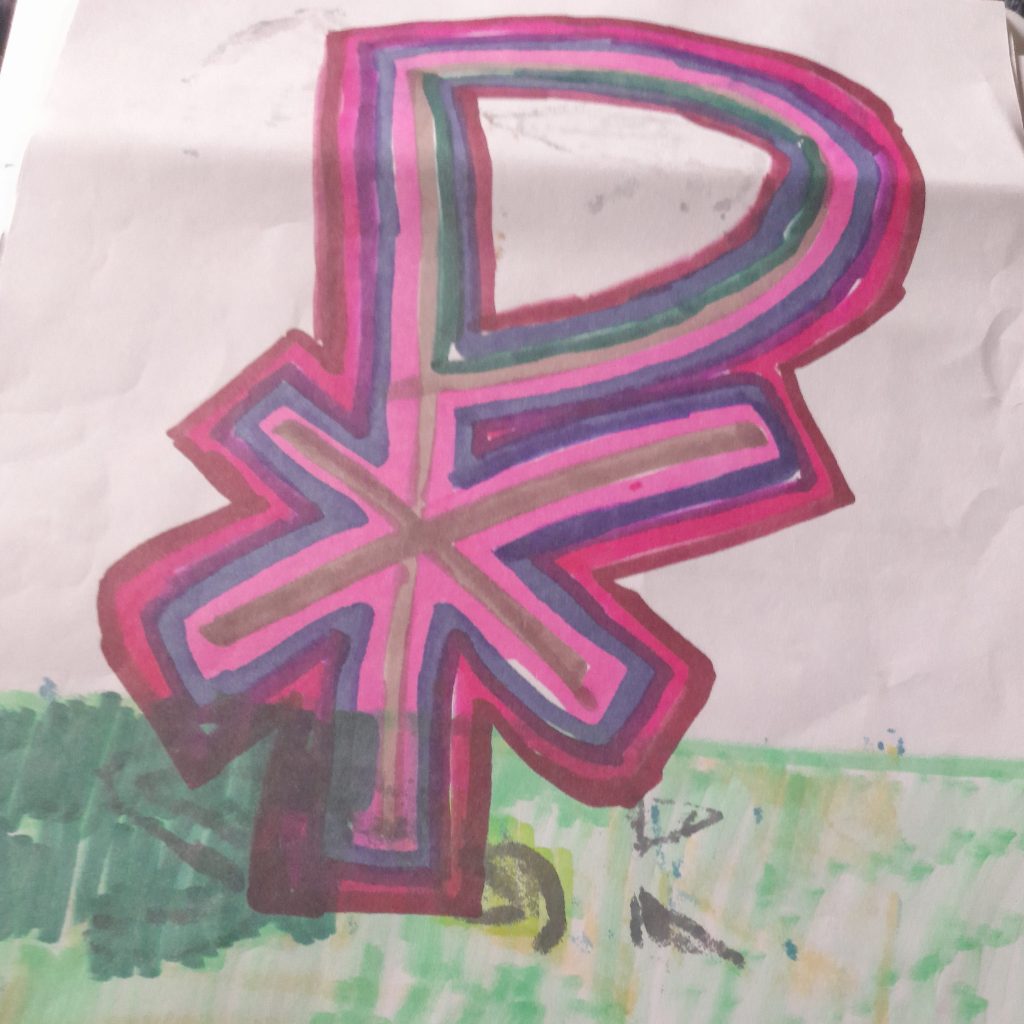
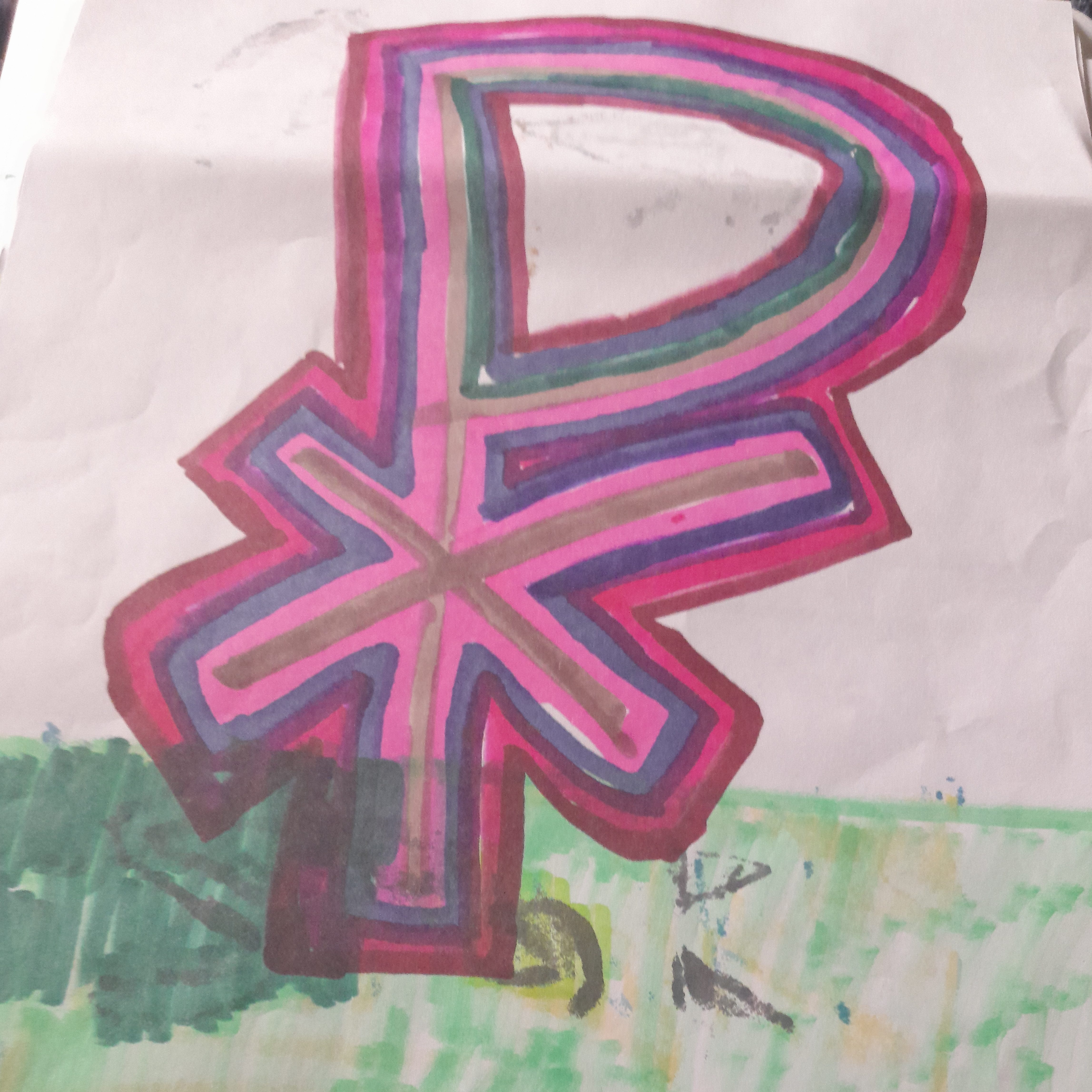
Unauthorized copying or reproduction of this artwork and text is prohibited.
Thank you for reading.© 2025 Emma Hewitt / StormborneLore. All rights reserved.Unauthorized copying or reproduction of this content is prohibited.
If you enjoyed this story, like, share, or leave a comment. Your support keeps the storm alive and the chronicles continuing.
If you want to read more about Taranis please see The Prophecies and Tales of Taranis Unfolded
 StormborneLore